

Insights
Our thinking on judgement, AI and transformation in regulated business.
Cut through the noise with our insights, which draw on real research, real conversations, and real work.

Practicing foresight as a service designer
Design leaders and their teams should work with one eye on the future. Here are some practical ways to incorporate foresight and service design practices into your work.

Remote teams fall apart. This is the framework Nile uses to keep them together.
Two things help build strong remote teams; their mindset, and their toolset. This is Nile's approach to setting remote teams up for success.

Data as the new status quo
Becoming an intelligent enterprise isn’t a question of how much data or how accessible it is. It’s a question of how prepared your culture is to embrace it.

The top three digital self-service adoption killers
Digital self-service has become an ambition in every industry, but some organisations are still making basic errors.

Calling bullshit on ‘agile’ catchphrases
Teams are abusing Agile maxims to cover up bad work. It’s time to call it out.

The future of Scottish fintech
Building on Scotland’s early success in the sector means attracting new investors, narrowing the focus, and reaching across borders.
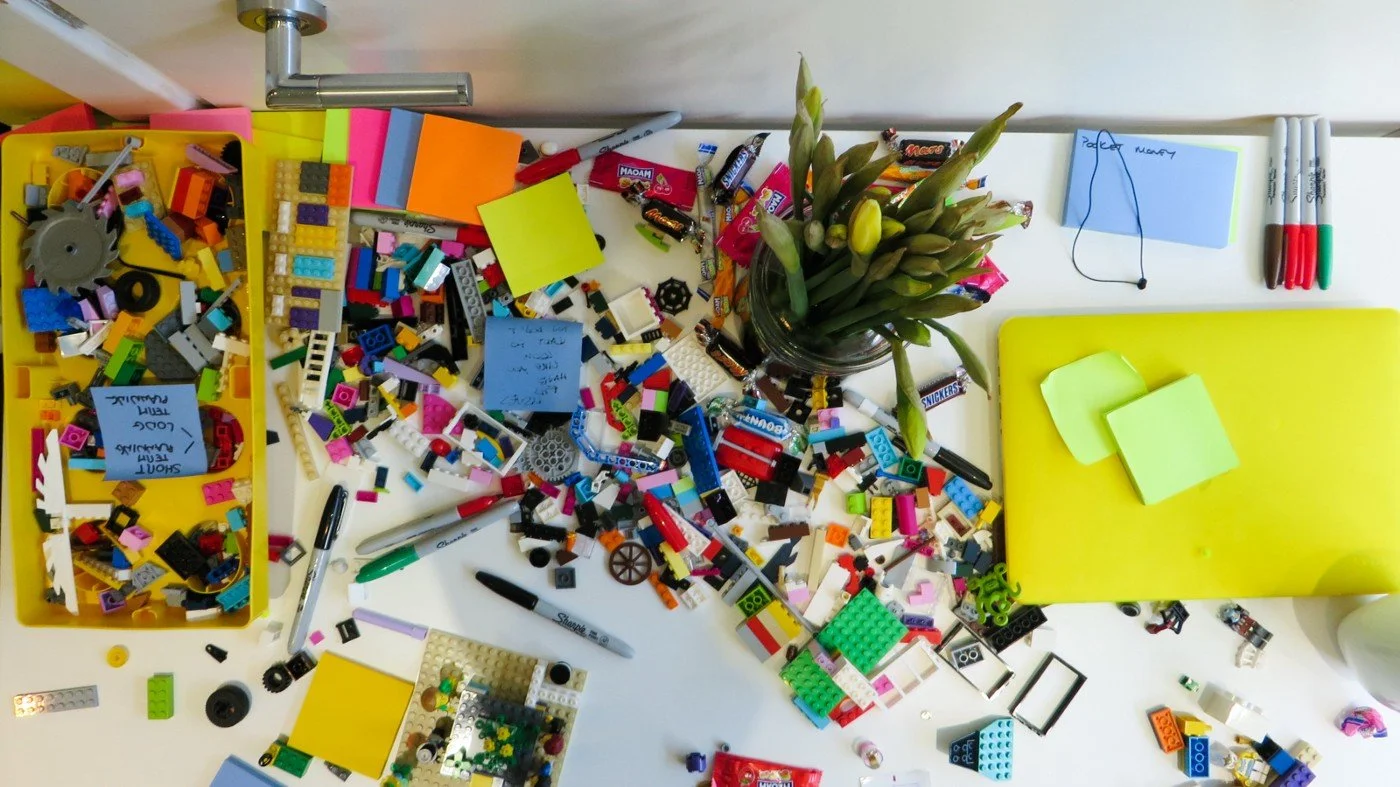
Want to build a successful innovation function? Here are four ways.
Digital and innovation practices are established in almost all companies today, it’s old news. So why is everyone doing it differently?

What’s next for workplace culture?
It was mental health week last week. We tried something groundbreaking at Nile.

The hardest thing a service designer can do
How do you explain the role of a service designer to 90 eight-year-olds? Like any good service designer, it starts with audience research.

Here’s how blockchain will reshape the engagement economy
Technology is offering groundbreaking new opportunities for ambitious businesses — but outstanding design and a sharp focus on the customer are what will set brands apart in the years to come.

Designing for the future of work
The future of work might look different, but it’s a revolution being led by us humans. Read our five principles for the future of work.

In Open Banking we trust...?
The time has come for real change in banking services. Open banking presents an opportunity to make financial services more efficient, more flexible and better able to serve customers.

Designing services for distributed organisations of tomorrow
Disruptive technologies like blockchain are redefining how organisations are structured and offering lucrative new opportunities for innovation in service and experience design.

The ripple effects of a cashless society
Dr Alexa Haynes, Nile’s Senior Design Researcher, introduces TED Talk presenter Richard Wright and Volkan Topalli’s article on the rise of the digital economy and a cashless society.

Why it’s difficult to think about the future
Last year, we explored the future of insurance with a large finance client. This project unearthed the limitations of design techniques in helping our clients think beyond a two-year horizon. At that point, we started to explore additional methods such as foresight to expand how we work. Our exploration showed us that it’s not easy to think about the future — and we wondered why?

How to design better conversations with machines
Automation is perceived as a cost-saving shortcut, but until we can design better conversations with machines, firms can’t rely on robots to build trust in their services.

Building smarter services on the blockchain
The UK government is getting serious about blockchain, and the future of fintech could be the key to delivering better public services.

Can biometrics save the high street?
For physical shops hoping to compete with online retailers, data and biometrics offer new hope. But success is only possible with a razor-sharp focus on the customer experience.

What the NHS can learn about innovation from Uber
The need for smart, creative and affordable solutions is growing fast as the UK healthcare crisis deepens. Uber demonstrates how design-led innovation can drive industries forward.

Here’s why ambitious fintech startups should be looking to Scotland
Political and economic disruption is turning Edinburgh into a global fintech capital, making it the perfect time for ambitious startups to move their operations to Scotland.