

The (mon)key to transformation
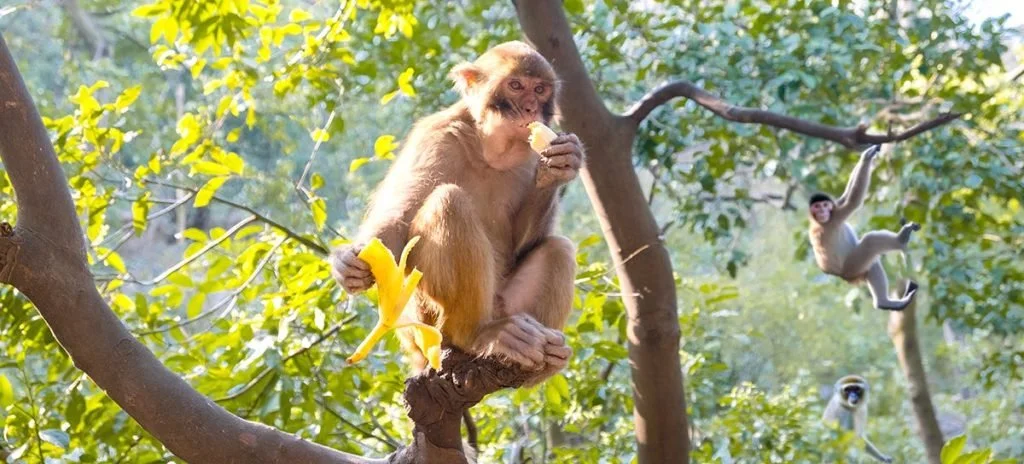
Clever, Smart and Brilliant (Adobe Stock / Adobe Firefly).
Discussing business transformation, a friend and business partner recently shared a story with us about three monkeys: Smart, Clever and Brilliant.
One lunchtime at the zoo, the three hungry monkeys spotted a ripe bunch of bananas high up in a tree.
Smart wanted the bananas. He was great at taking an end goal, brainstorming approaches, and picking a path to get there. But although he was quick to adapt, reaching the goal was his entire focus, and he didn't think about the deeper reasons for the journey.
"Come on!" he yelled, leaping into the tree and climbing higher and higher. But as he leapt from branch to branch, his efforts to find a clear path to the top felt increasingly fruitless.
Clever wanted the bananas, too. But it often took her a long time to come up with any new approaches, instead getting caught up with optimising the ways things had been done before.
Clever sat on the ground, scratching her head, analysing every branch to determine the best series of steps to reach the fruit. Eventually, she slowly started climbing towards the prize.
Brilliant, on the other hand, had a creative spirit, a curiosity about others' needs, and a focus on outcomes.
Instead of jumping to conclusions, Brilliant thought about the goal instead - getting some lunch. Looking around, she found a long pointy stick. Poking it outside the enclosure, she carefully hooked a bunch of bananas out of the zookeeper's bag and into her hands.
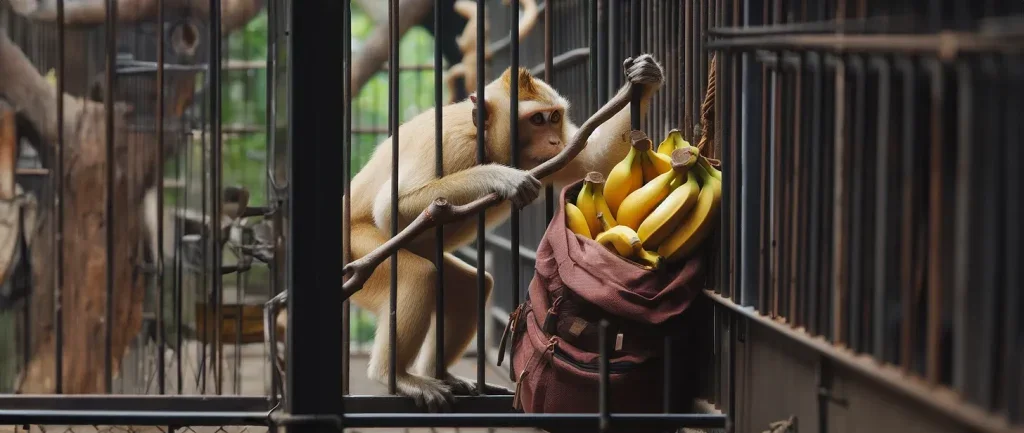
Brilliant pilfers the bananas (DALL-E 3 / Adobe Firefly).
By the time the other two monkeys returned with the bananas, Brilliant was already polishing off the last of hers.
The three monkeys – who happened to have worked in leading management and service design consultancies before joining the zoo – reflected on what had happened.
Clever had diligently adhered to the systematic principles of Six Sigma, while Smart swiftly adapted with Lean methodologies. Yet both were simply re-treading the old ways of working, and struggled to come up with a new approach.
Brilliant was able to step back from the problem and reframe it using a monkey-centred service design approach. This meant she could act creatively and come up with a quicker and more innovative way of reaching the desired outcome.
Rethink how you approach transformation.
Just like the first two monkeys, many organisations today focus on improving or optimising what’s already in front of them, or take an analogue process and try to ‘make it digital’ - missing the opportunity to radically rethink their ways of working as part of transformation.
It might be that change is being driven by the desire for a new technology platform rather than actual human needs. Or it could be that fixed mindsets and an absence of research are blocking the path to better decision-making.
Unless you’re getting the human aspect right, your digital transformation is going to slip up sooner or later.
That's why we advocate so strongly for taking a human-centred approach to change. It’s what we like to describe as business transformation with technology.
Human-centred and creativity-driven, service design can often outshine the rigid framework adherence of Six Sigma and even the adaptive but goal-oriented nature of Agile. Every day we see evidence of the potency of empathy and innovation in identifying real business objectives and clearing the path to achieving them.
In other words, we all need to be more Brilliant.
The curiosity, empathy and human-centredness of service design puts people at the heart of transformation. It starts by deeply understanding customer needs, then engages stakeholders to determine what experiences and processes must change to meet those needs. Only then does it identify the technology solutions to enable that transformation.
The most meaningful digital transformation comes not just from implementing new tech, but from transforming with people and technology.
This leads to solutions that reflect and evolve with user needs, creating lasting positive impact and making your organisation top banana. 🍌
