

On the path to user-centric design
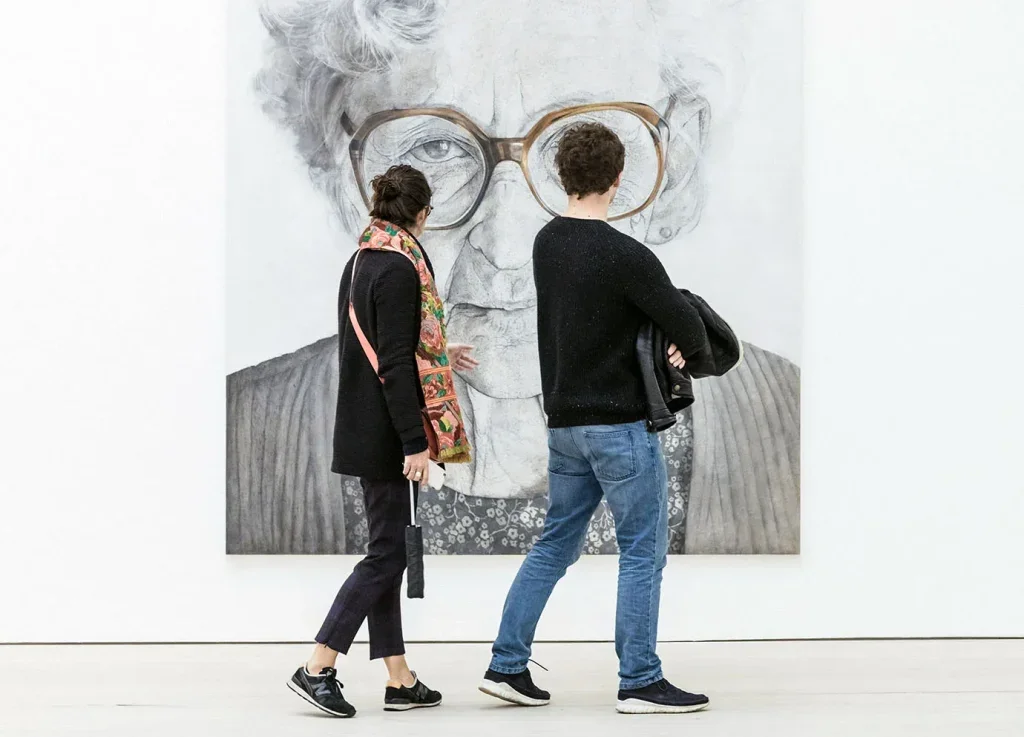
Photo by Ryan Stefan on Unsplash
From bus services to banks and retailers to royal families, no organisation can escape being influenced and shaped by the wider social context.
And since Nile was founded 17 years ago, we’ve seen some dramatic social shifts.
Global movements like #MeToo and BLM have emerged and matured, alongside the continued push for LGBTQI+ rights, working in the face of a slew of divisive political figures (you know who).
We’ve experienced easier access to better, more powerful technology – in parallel with growing fears over its misuse. We’ve lived through a pandemic that’s redefined how the world works, and we’re now struggling to face up to big challenges like the climate crisis, growing inequality at all levels, and the rise of unregulated AI.
Challenging but vital issues like diversity, inclusion, accessibility and sustainability are no longer ‘nice-to-haves’ but are expected by customers - and, increasingly, are enforced by industry standards, regulators or even through legislation.
More than just a nice-to-have.
As a result, well-designed services have also become more than just a nice-to-have. Beyond the monetary return on investment, empathetic strategic design can clear a path for organisations who want - or need - to take on these big issues.
Thanks in no small part to the Covid crisis, digital transformation and remote working - once vaguely-imagined future states - have become daily realities. As Mike Bracken writes inDigital Transformation at Scale, the pandemic meant that, for the first time, creating digital services that actually worked ‘became headline news’. Those organisations that didn’t invest in user-centred design, Bracken says,
"…suffered the consequences of behaviour that had long since been baked into the organisation’s design: the difficult conversations not had, the investments not made, the complacencies untouched. When the stakes were smaller, so was the damage. The stakes got much higher in 2020."
The expectation today is that services shouldn’t just make things work, but should create satisfying and equitable outcomes for the people they impact. As changemakers know, putting people’s needs at the heart of change will ultimately benefit the many, reduce costs, generate positive brand stories and result in happier, more loyal customers.
Led by the users, not the tools.
Ten years ago, when faced with a broken system or a big gap between customer expectations and reality, the default position might have been to think about what tools or frameworks we could apply to fix the problem.
Today, a strategic user-centred approach means looking at the bigger picture, thinking about how we can change mindsets, break down silos, collaborate across teams and disciplines and accept ambiguity and uncertainty. Putting people at the heart of design means approaching them with empathy to properly understand their needs, bringing in diverse perspectives, and being prepared to iterate.
New developments like unregulated AI, dark patterns and increasingly powerful ways to gather and make sense of data are raising a plethora of possibilities and challenges for how services that impact everyone’s day-to-day lives are delivered. Equally, questions around how organisations overcome bias and inequity and support social justice remain only partly answered.
For those of us strategising and building services, it may mean looking again at our own makeup, and considering how we can become more representative of our stakeholders. It will mean thinking about who we partner with to access less-heard voices, and what practices - like co-designing - we can adopt to share power with users more equitably.
As we begin another year in the story of Nile, we’ll continue to do our bit in finding positive answers to those questions, advocating for those who want to make things better, and creating pathways through this shifting landscape.
Putting people at the heart of services is not just an ethical imperative, but an opportunity to create a world that works better for us all.
